Complete hazard logs enhanced by AI and automation

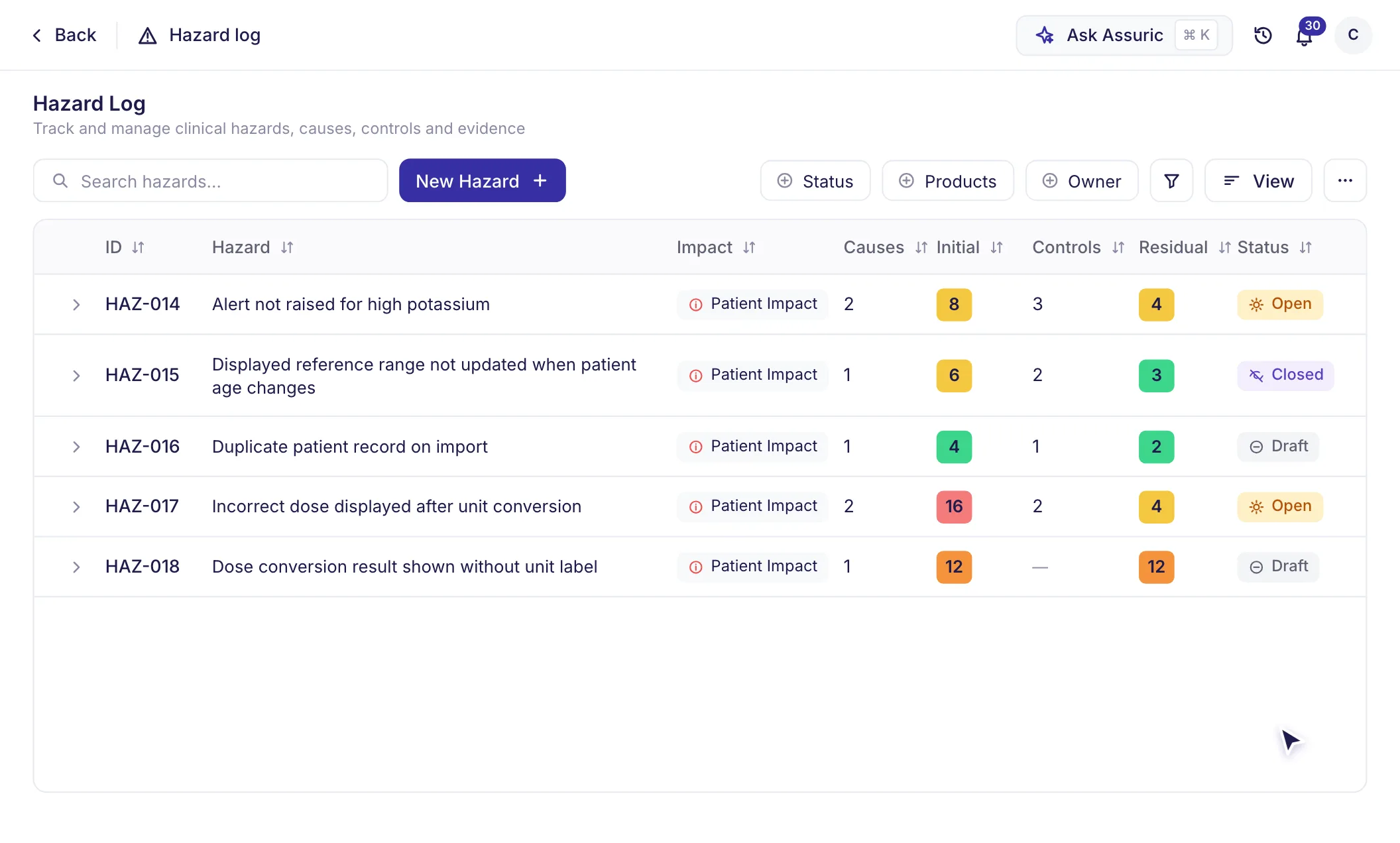
One live hazard log for every product and deployment, linked to the controls, evidence, incidents and releases that affect it.

  • Designed by Clinical Safety Officers
  • Comply with DCB0129/0160 and now also ISO 14971
  • Automatically import any existing hazard logs

By continuing you agree to our privacy notice

AccurxTandemSembleLimbicBraiveDrDoctorCircle Health GroupNorthern Care Alliance NHS Foundation TrustCleo SystemsCorelineGuardantSanomePolyAIEolas MedicalChequpHeimDelfaHippo LabsInfixMegiNursebuddyOnion AIRhazesRosenfieldSurgery AIHealthnixThink DivergentHestaVitVioUniversity Hospitals of Derby and Burton NHS Foundation TrustAnimaAscentiAsterixEvergreen LifeHello PatientHealthtech-1Modality PartnershipNHS Wales Performance & ImprovementCwm Taf Morgannwg University Health BoardOperose HealthPatient Care Locally CIC (LLR)Theta SleepAccentureCareStackSouth Warwickshire University NHS Foundation TrustUniversity Hospitals of Leicester NHS TrustMersey and West Lancashire Teaching Hospitals NHS TrustWeymouth Bay Medical PracticeNottingham CityCare PartnershipMid Mersey Digital AlliancePenrose Health

Features

Best-in-class hazard log

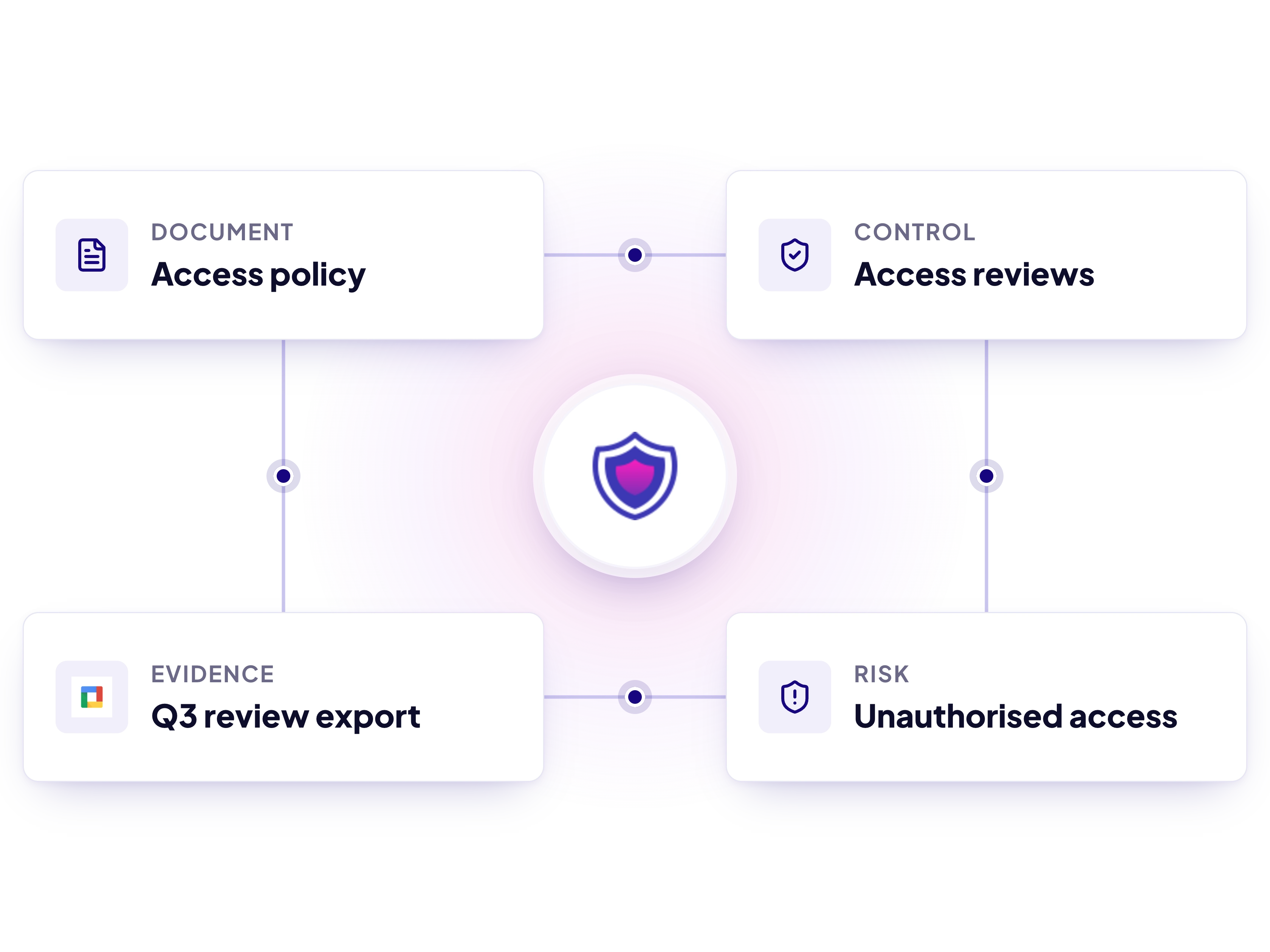
Hazards, causes and controls, all linked

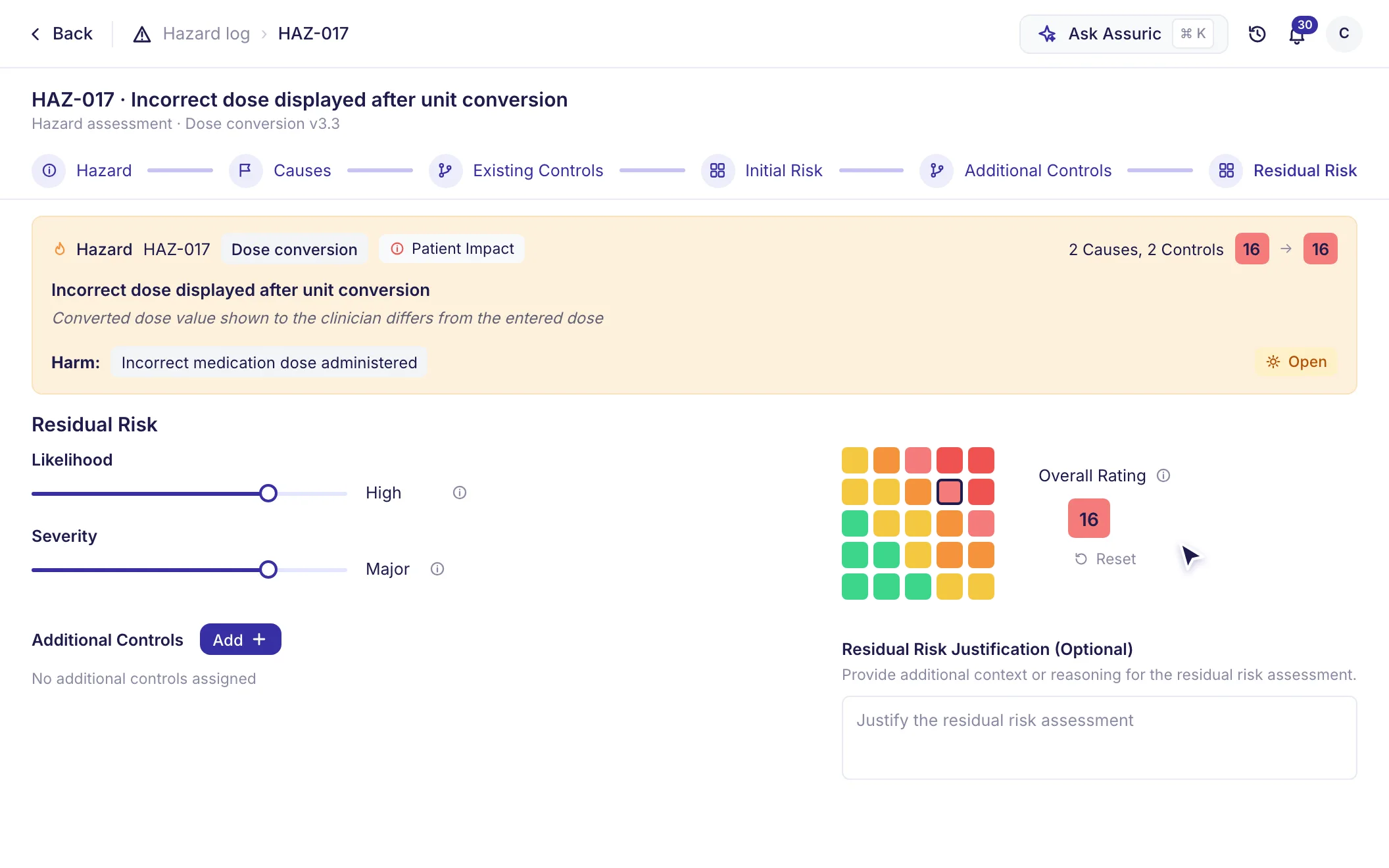
Designed by Clinical Safety Officers. Record each hazard with a unique ID, link it to its causes and controls, and score it before and after controls are applied, so every document can be generated without repeating work.

A risk matrix that fits your organisation

Fully configure your risk matrix, including severity and likelihood levels, scoring and acceptability thresholds, to reflect what your organisation does and the clinical context your product is used in.

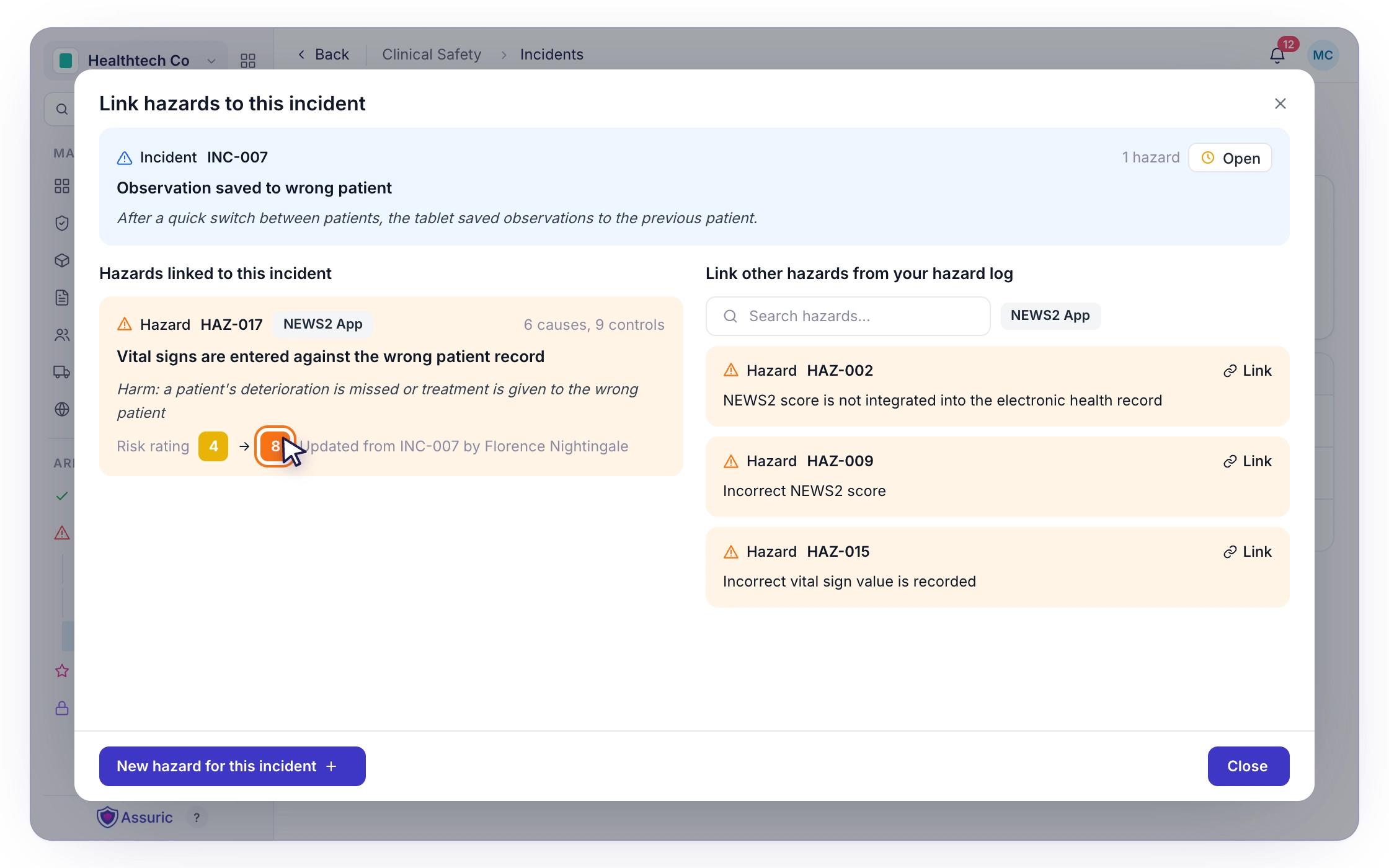
A hazard log that keeps itself current

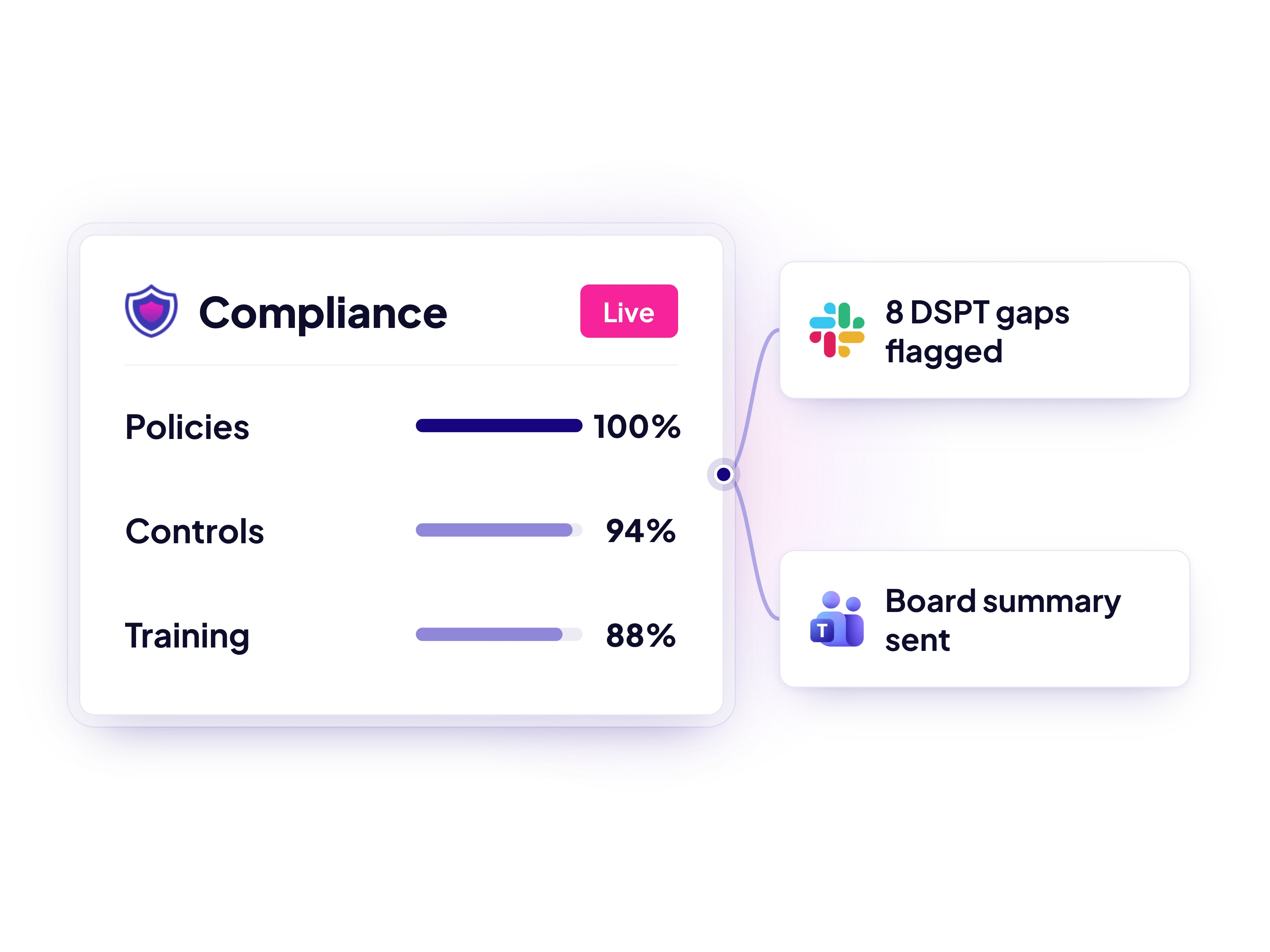
AI suggests hazards, causes and controls based on your product and its intended use, and automation flags hazards for reassessment when incidents, releases or controls change.

F023: A hazard log that keeps itself current

Manage every hazard from end to end

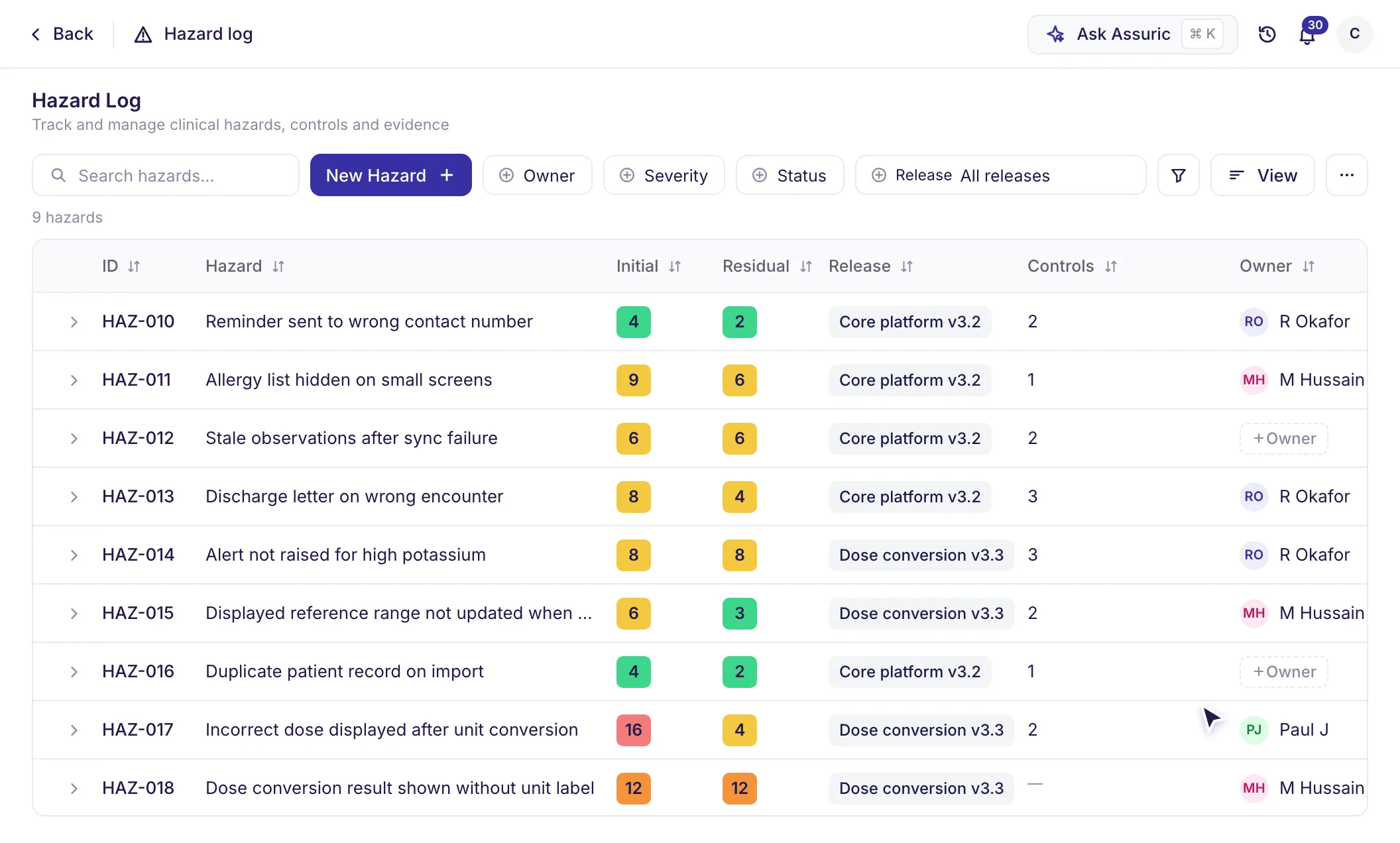
Take each hazard from identification through to control implementation, evidence and verification, and on to the release it shipped in, with full traceability and the incidents and policies that inform it linked along the way.

Automatic import and configurable export

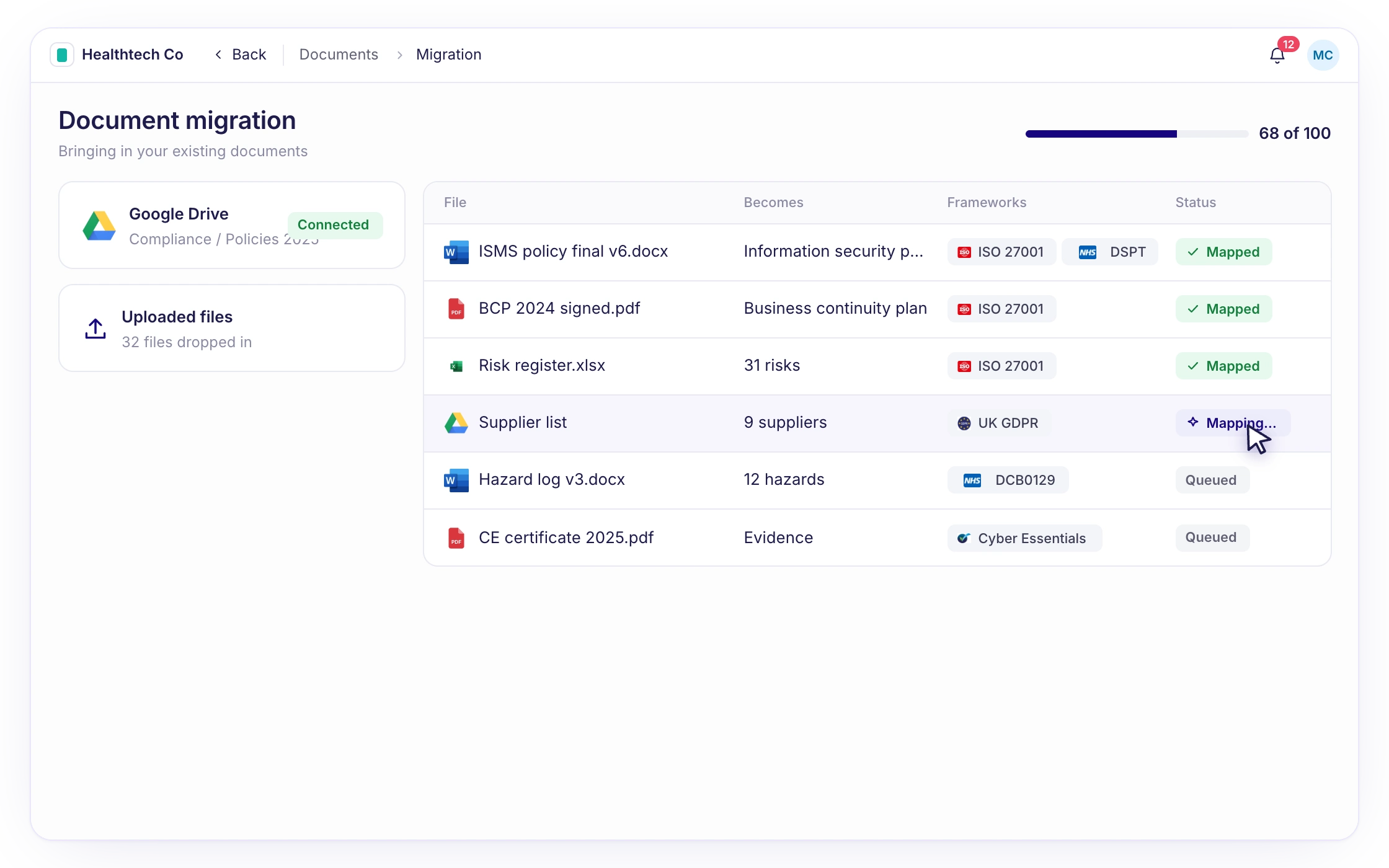
Import your existing hazard log or risk register automatically, or let our team handle a full migration, with controls and evidence linked rather than pasted in as flat text. Export at any time in a range of formats, including NHS-style templates.

F040: Automatic import and configurable export

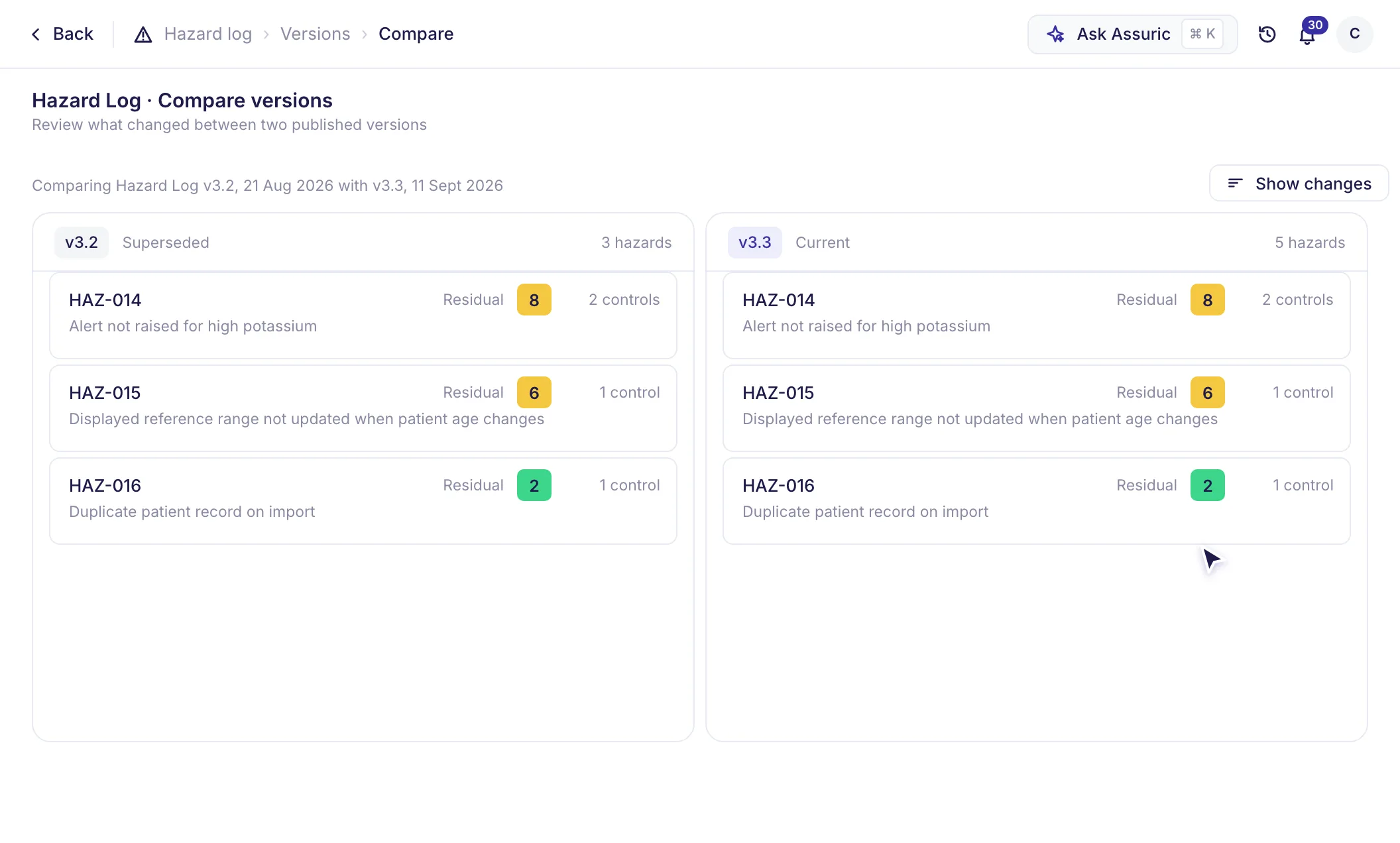
Review, approve and version every change

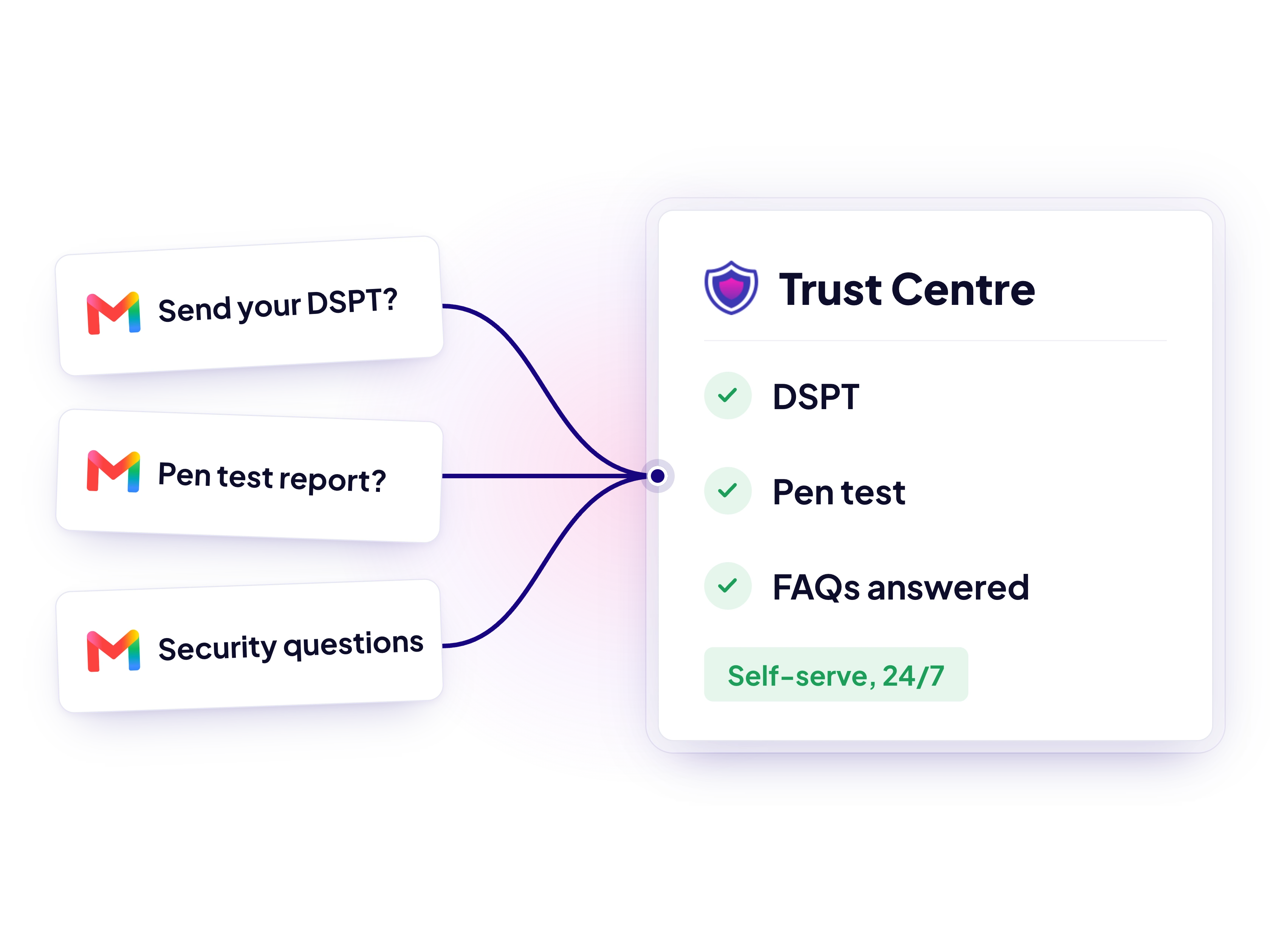
Every change is version controlled, with review and approval cycles so your Clinical Safety Officer signs off updates before they are issued. When a new version is approved, it can update automatically in your Trust Centre, with the relevant stakeholders notified.

Benefits

The difference Assuric makes

Spend less time on manual work

AI, automation and linked records take care of the repetitive work, so keeping your hazard log current takes minutes, not a quarterly clean-up.

Be audit-ready all year round

Your hazards, controls, evidence and approvals stay linked and up to date, so DTAC reviews and NHS assurance checks run on what’s already in Assuric, not a last-minute scramble.

Full oversight and reduced risk

Every hazard, score and control in one live view, so you can see which clinical risks need attention first and nothing falls through the cracks.

Build trust with buyers and partners

Show NHS buyers, deploying organisations and partners a mature approach to clinical safety, with an up-to-date hazard log and safety case ready whenever they ask.

Every system, one register

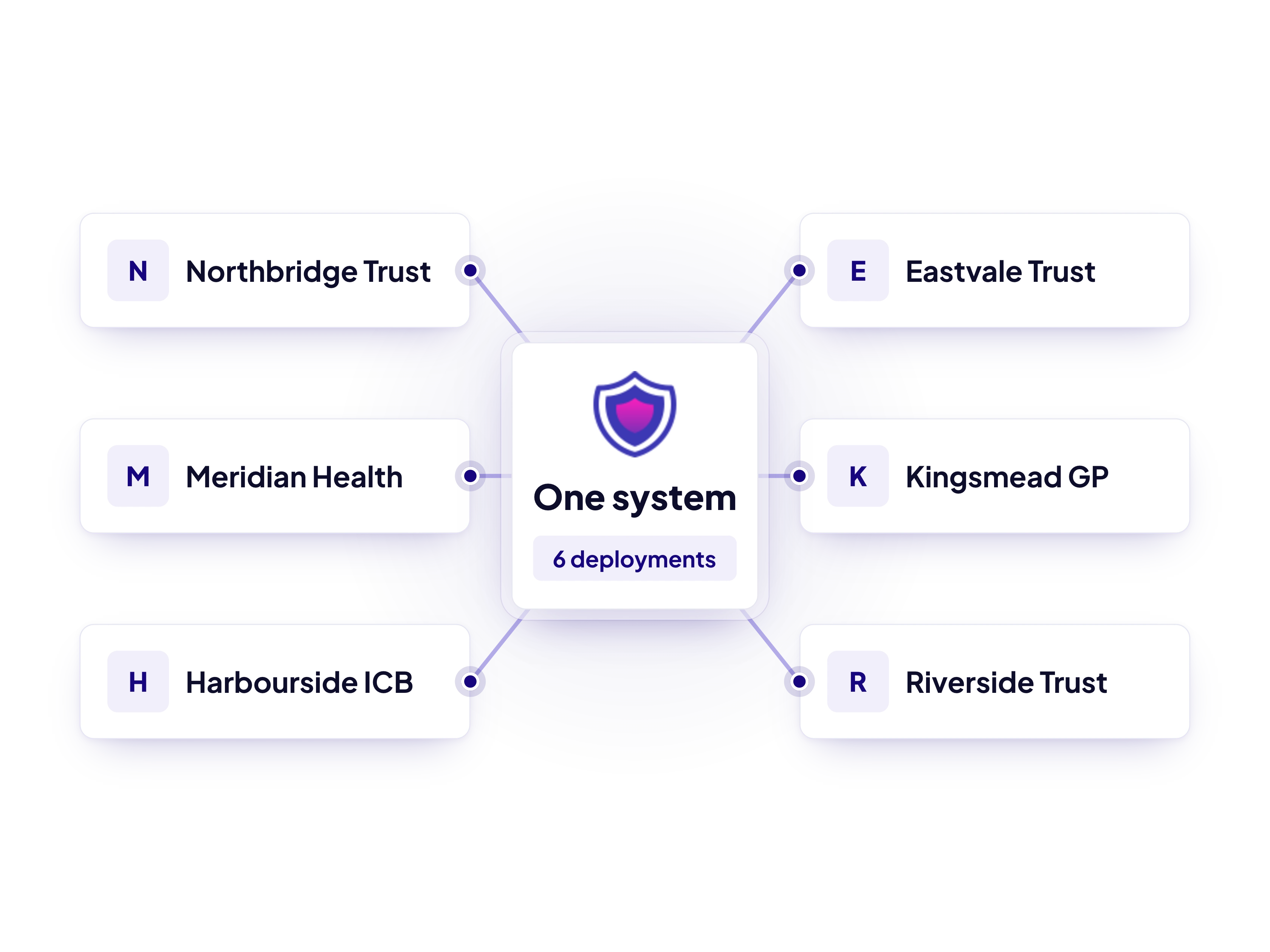
Manage hazard logs for every product and deployment in one place, from your EPR to ambient voice technology, under both DCB0129 and DCB0160.

One platform as you grow

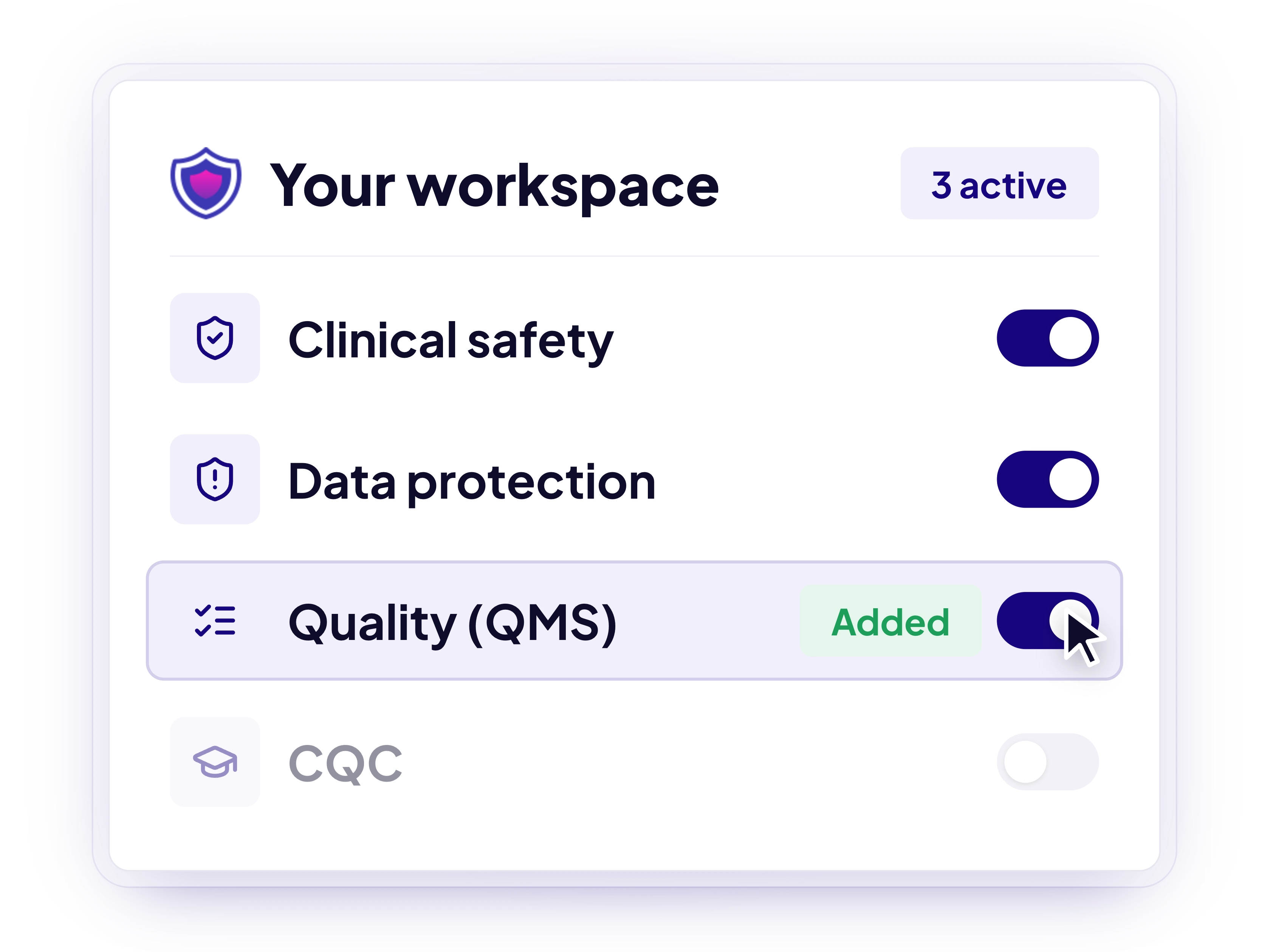
Cover clinical safety alongside UK and EU MDR, NHS compliance, information security and more, reusing evidence across frameworks instead of starting again.

Trusted by healthtech’s very best

VitVio

“We couldn't speak highly enough of both the Assuric team and the platform itself, which is incredibly easy to use, and with the skill and hardworking nature of the Assuric team. They've been a key component in accelerating our progress and deployments!”

Maks Kozarzewski

COO, VitVio

Accenture

“The Assuric platform is a game changer in the clinical risk management field. It has been carefully designed to make the job of a CSO significantly more streamlined. The team are excellent and responsive to any product suggestions I have requested, and it has been a pleasure to work with them.”

Paul Llewellyn

CCIO, Accenture

Tandem Health

“Assuric has been fantastic in helping us quickly and safely navigate regulatory compliance in the UK. From completing Cybersecurity requirements to DSPT, DCB0129, and DTAC, the team was supportive, extremely knowledgeable, and the platform made everything quick and straightforward. A separate regulatory company we consulted at the beginning even remarked on how quickly we achieved compliance!”

Katie Baker

Director UK & Ireland, Tandem

Mapped to other frameworks

Overlapping requirements and evidence are mapped across frameworks automatically, so you never do the same work twice.

Frequently asked questions

A hazard log is the record of every clinical risk your product could introduce, its severity and likelihood, and the controls you have put in place to reduce it. DCB0129 requires manufacturers of health IT to maintain one as part of their clinical risk management, and it is one of the documents NHS reviewers ask for during DTAC.

DCB0129 applies to the manufacturer of a health IT system. DCB0160 applies to the organisation deploying it, usually an NHS trust or care provider. If you build software used in healthcare you need DCB0129, and your NHS customers will be working to DCB0160 alongside you.

DCB0129 is the NHS clinical risk management standard for manufacturers of health IT, focused on clinical hazards to patients, with a named Clinical Safety Officer, a hazard log and a safety case report. ISO 14971 is the international risk management standard for medical devices, including software as a medical device, and is needed for UKCA and CE marking. It covers risk across the whole device lifecycle in a risk management file. If your software is a medical device used in the NHS, you need both, and much of the hazard analysis overlaps.

Yes. Your ISO 14971 risk file and your DCB0129 and DCB0160 hazard logs sit side by side in one workspace, so shared hazards, controls and evidence are recorded once and used for every standard that applies to your product.

Yes. The risk matrix is fully configurable, including severity and likelihood levels, scoring and acceptability thresholds, so it reflects what your organisation does and the clinical context your product is used in.

A hazard log is a living document. Under DCB0129 it should be reviewed at each release, after incidents, and whenever the product or the way it is used changes. In Assuric, automation flags hazards for reassessment when incidents, releases or controls change, so it stays current.

Yes. Assuric’s AI can import your existing hazard log or risk register, whether it is in Excel or another platform, linking the controls and evidence rather than pasting the entries in as flat text. We can also run a dedicated migration for you during onboarding. You can export it at any time too, including in NHS-style templates.

DCB0129 and DCB0160 both require a named, retained clinical safety officer. They do not need to be a full-time hire. Assuric provides a fractional CSO who works inside your workspace, reviews your hazard log and signs as your named CSO.

Say goodbye to spreadsheets,
and hello to automation

See how Assuric can help you manage your hazard log, controls, reports and more, all in one place.

By continuing you agree to our privacy notice